At the end of a long day, nighttime can feel like the first real chance to slow down. A bedtime routine is made up of small things that signal that everything else is finished for the night, the skincare, the dimmer lights, getting comfortable, and deciding what to read. For someone who loves books, choosing a story becomes part of that routine. This photo essay follows those quiet moments, from getting ready for bed to finally opening a book and escaping into another story for a little while.
Photo essays work best when the images are connected by one clear idea rather than feeling like a random collection of pictures. Shurbaji (2014) explains that a photo essay brings a group of photographs together around an overall topic or theme to create a larger story. That idea guided the way these photographs were taken and arranged.
Getting Ready for the Night
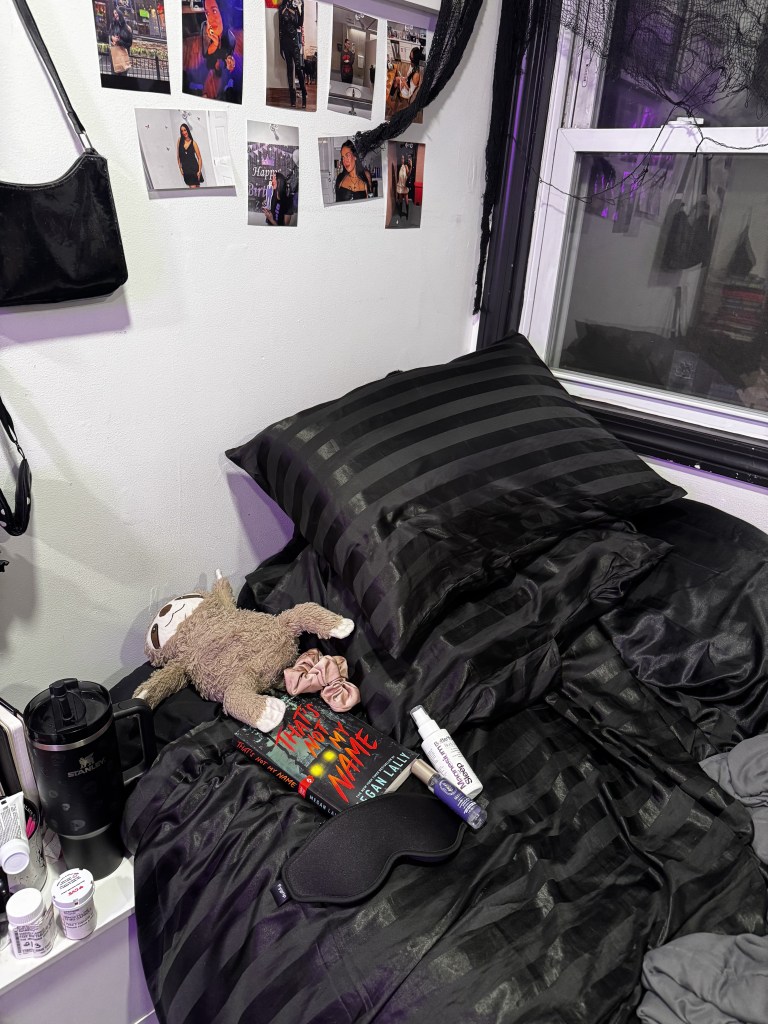
Before picking up a book, the night starts with getting ready for bed. Skincare is one of those routines that happens almost automatically, but it also marks the point when the day begins to slow down. Products come out, makeup comes off, and there is finally nowhere else to be.
Turning Everything Else Off
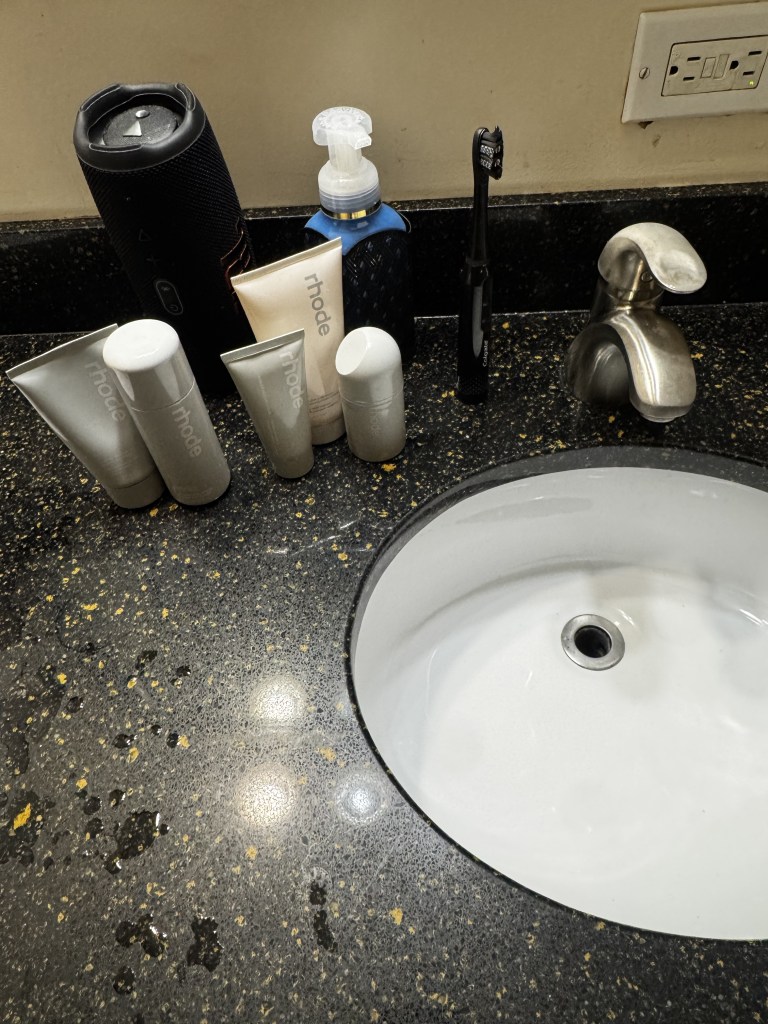
The brightest lights go off and the bedside lamp takes over. It is a small change, but it completely changes the feeling of the room. Everything starts to feel warmer, calmer, and less distracting.
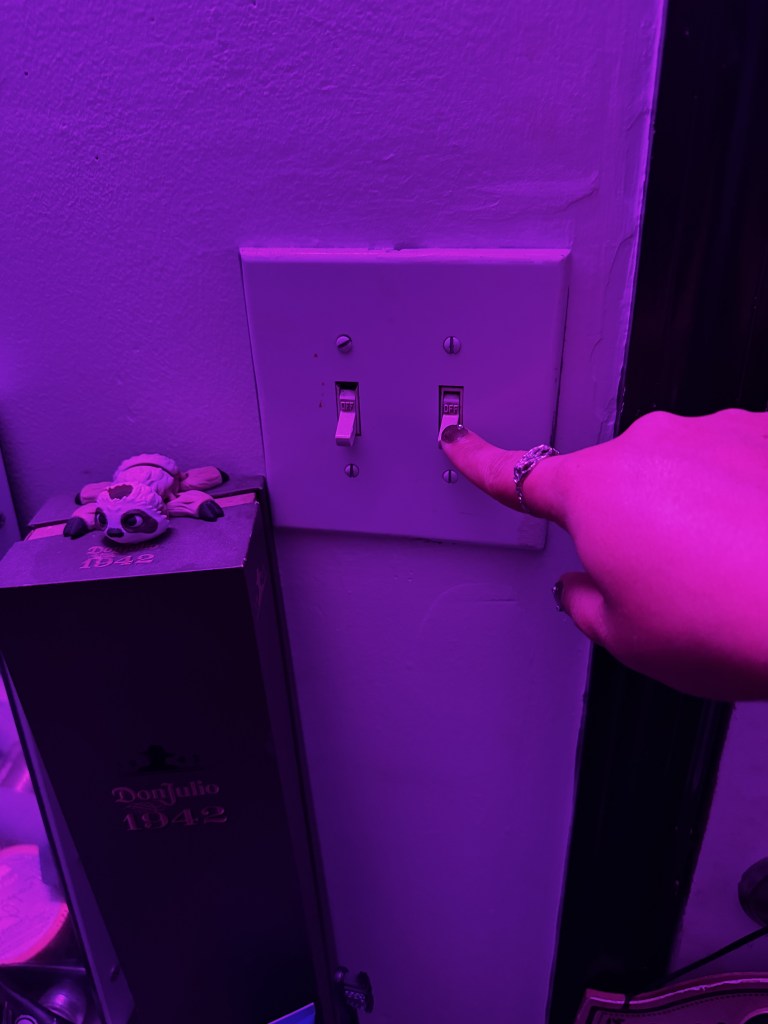
The lighting also helps move the story forward visually. Instead of every photograph looking the same, the darker setting makes it clear that the routine is getting closer to bedtime. García (2017) discusses the importance of bringing writing, editing, and design together rather than treating each part separately. The images and writing in this essay are meant to work together in the same way.
Too Many Choices
Then comes one of the hardest parts: choosing the book.
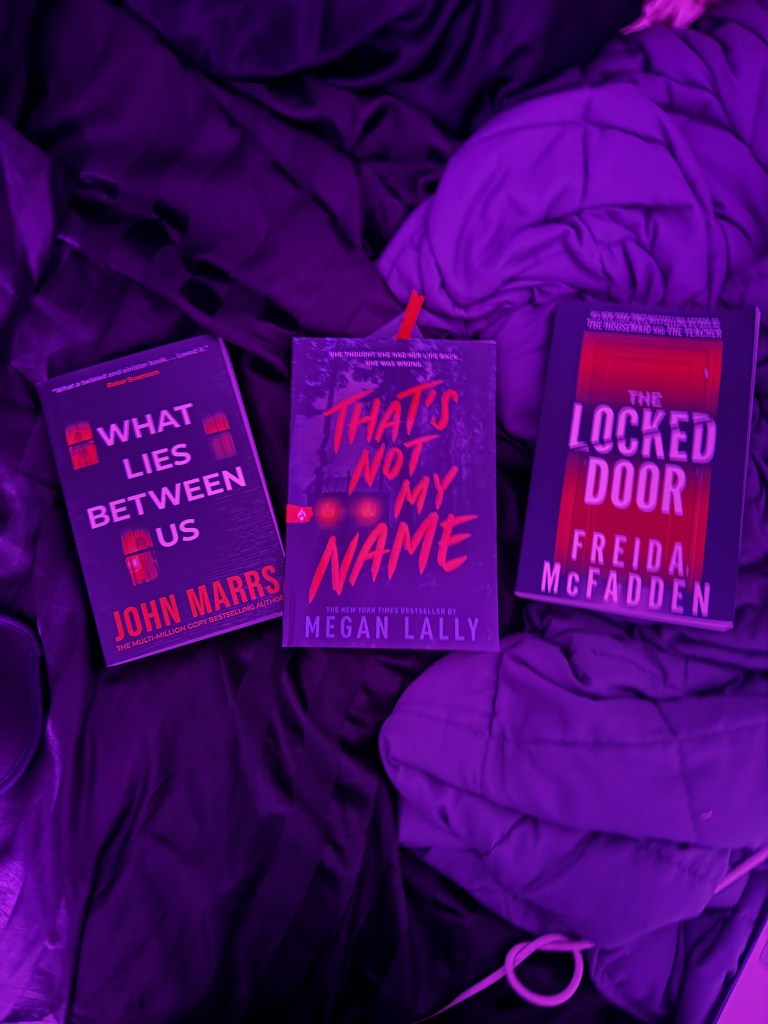
A pile of unread books can make the decision harder than expected. Some nights call for something creepy, while others call for a thriller that is impossible to put down. The covers, titles, and mood of each book all become part of deciding which story feels right for that night.
The Choice
Eventually, one book stands out from the rest.
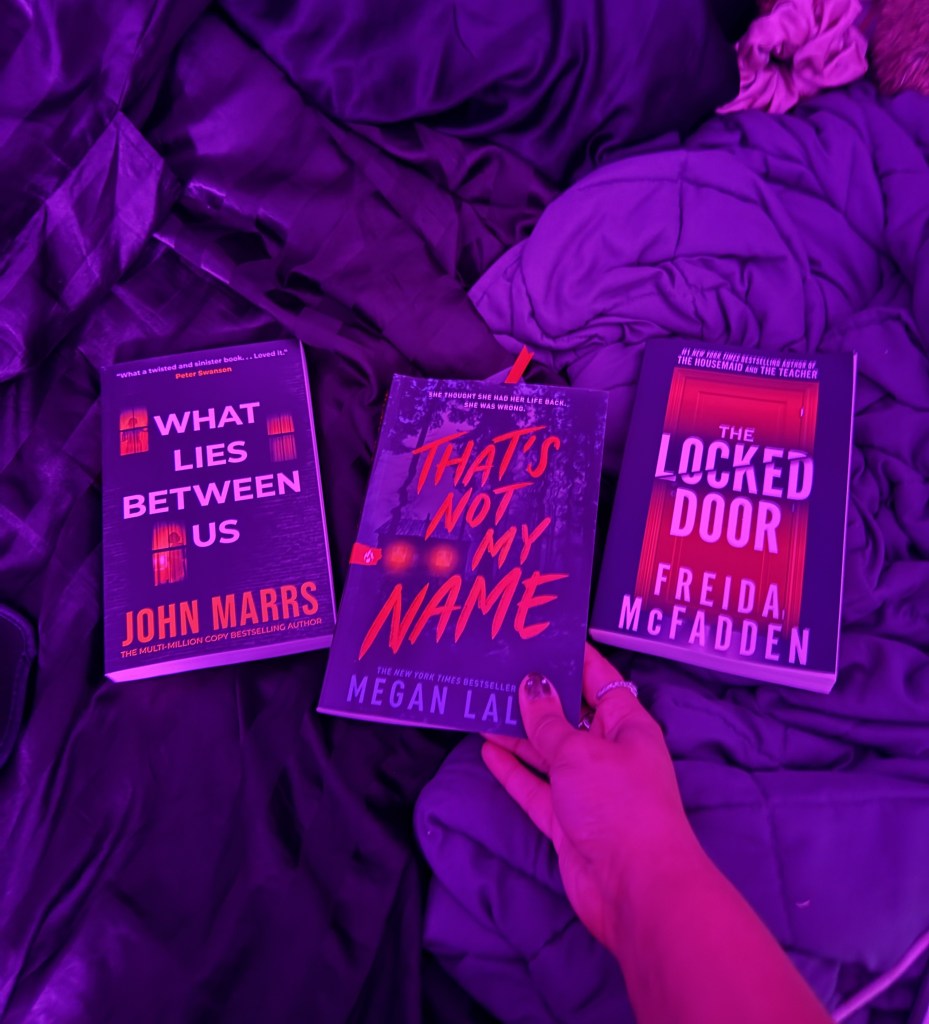
This photograph becomes an important point in the sequence because something is actually happening. Instead of only showing the books, the hand reaching into the frame shows the moment a decision is made and moves the story into its next part.
Getting Comfortable
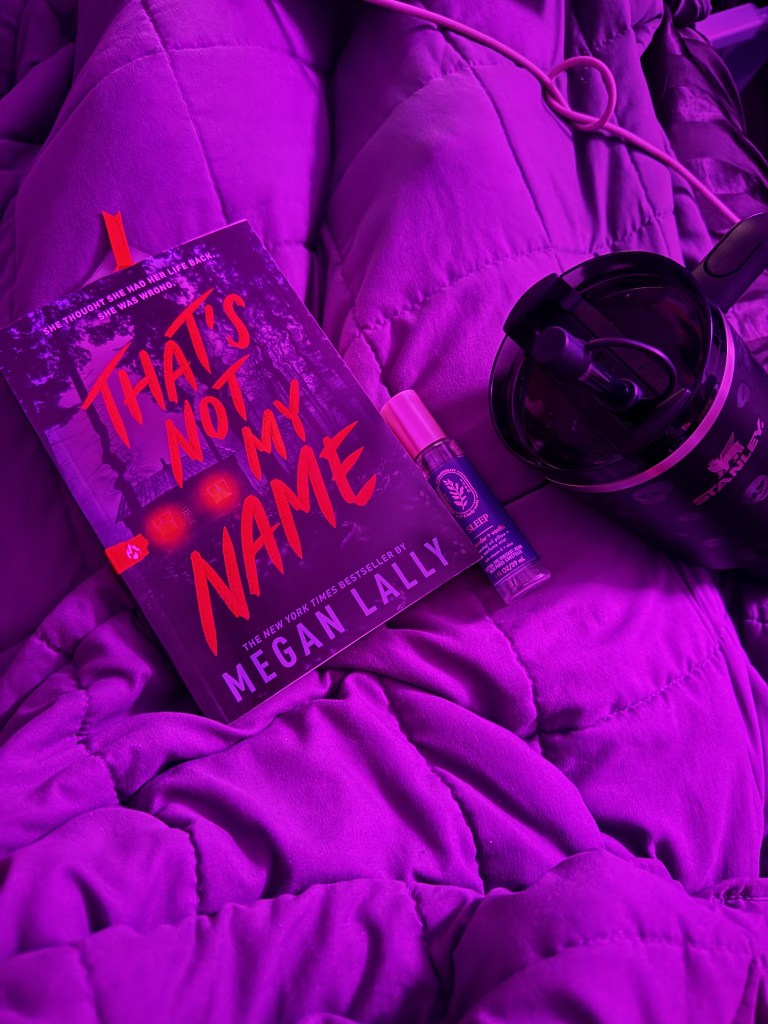
Once the book is chosen, everything else falls into place. The book moves to the bed along with the blanket, pillows, and anything else that makes the room feel comfortable. At this point, the routine is almost finished.
One More Chapter
The book finally opens.
For the next few minutes, or sometimes much longer, the phone can sit untouched and everything outside the room becomes less important. A good book has a way of making “one more chapter” turn into several.
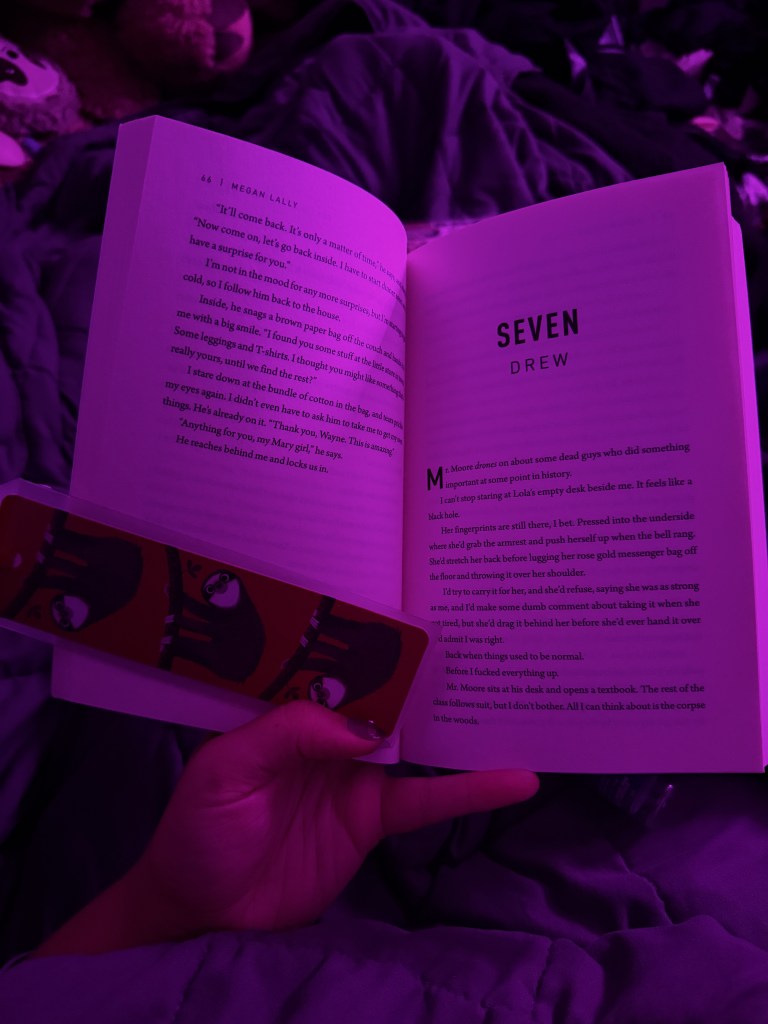
The closer angle was used intentionally. Earlier photographs show more of the room and the routine, while this image focuses on a much smaller detail. Shurbaji (2014) explains that photo stories can show a process with a recognizable beginning, middle, and end. Moving from wider shots into smaller details helps make that progression feel more natural.
Until Tomorrow
Eventually, the book has to close.
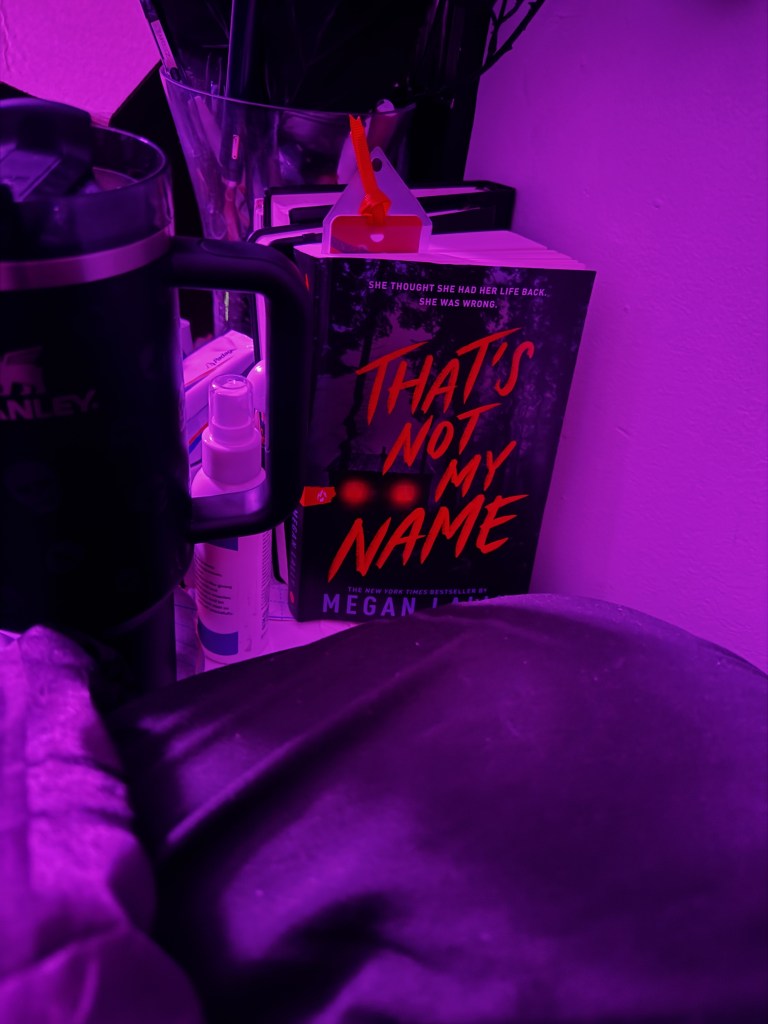
What started as an ordinary bedtime routine becomes a small story when each part is photographed separately. The room begins brighter and busier, then slowly becomes darker and quieter. By the final image, everything has settled down. Choosing a book may only be one part of getting ready for bed, but it creates a small escape at the end of the day.
Behind the Photos
The goal of this photo essay was to take something ordinary and make it feel like a complete visual story rather than a group of unrelated photographs. Several versions of each part of the routine were taken from different angles and distances before choosing the final images.
Some photographs were taken from farther away to establish the room and setting, while others focused on details such as a hand reaching toward a book or an open page under the bedside light. The photographs were then arranged in the same order that the routine normally happens, creating a clear beginning, middle, and ending.
That process connects to the idea behind WED, or the integration of writing, editing, and design. Reason (2002) explains that these elements become more effective when they work together rather than separately. The order of the photographs, captions, writing, lighting, and layout were all considered as parts of the same story.
References
García, M. R. (2017, January 19). Digital storytelling, part one: The fusion of writing/editing/design. García Media. (Module 5) García Media
Reason, R. (2002, August 19). WED: The integration of writing/editing/design. Poynter. (Module 5) Poynter
Shurbaji, E. (2014, December 17). Photo narratives: Defining picture stories, essays and packages. Medium. (Module 5) Medium


Leave a comment