When a Product Becomes Something More
A lipstick has a simple purpose: adding color to someone’s lips. However, the experience of discovering, purchasing, opening, wearing, and sharing that lipstick can make it feel like much more. Its packaging may communicate confidence before it is even opened. A campaign might make customers imagine themselves achieving a particular look. A social media launch can create anticipation and make purchasing the product feel like participating in an event.
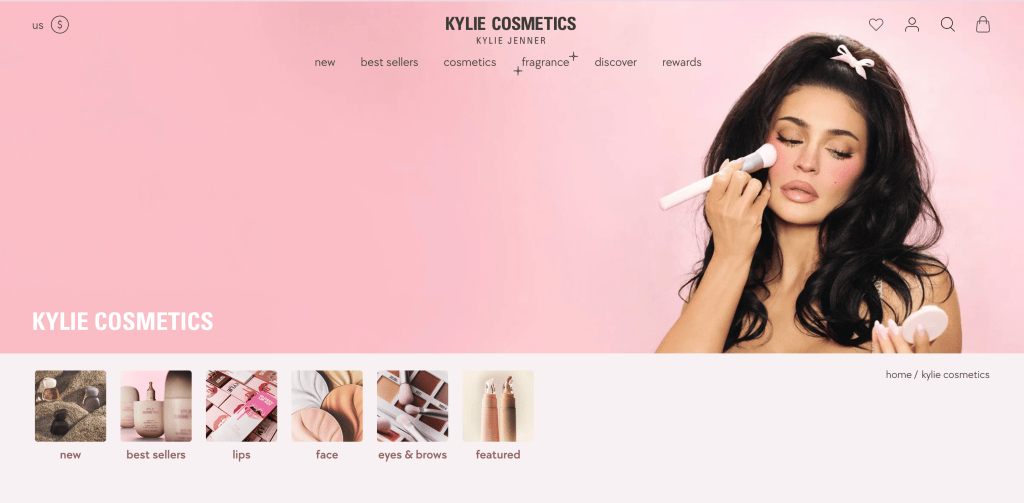
Kylie Cosmetics is a strong example of how design can create this added value. Customers are not only purchasing a Lip Kit. They are also buying into a visual world connected to beauty trends, celebrity culture, self-expression, and Kylie Jenner’s personal image. The products have value because of how they perform, but design gives them a recognizable personality and emotional meaning.
This relates to what B. Joseph Pine ll and James H. Gilmore call the experience economy. They explain that economic value has progressed from commodities to goods, services, and finally experiences. A company in the experience economy does not only sell an object or provide a service. It creates an event that involves the customer and leaves them a memory. (Harvard Business Review)
For visual designers, the challenge is to make a product useful while also turning the customer’s interaction with it into an experience that they will remember.
Designing an Emotional Journey
Ellen Lupton explains in Design is Storytelling that people experience design across time. A package, website, store, or social media campaign can function like a narrative. The customer begins with a desire or need, encounters different visual touchpoints, makes a decision, and ideally finishes the journey feeling satisfied or transformed.
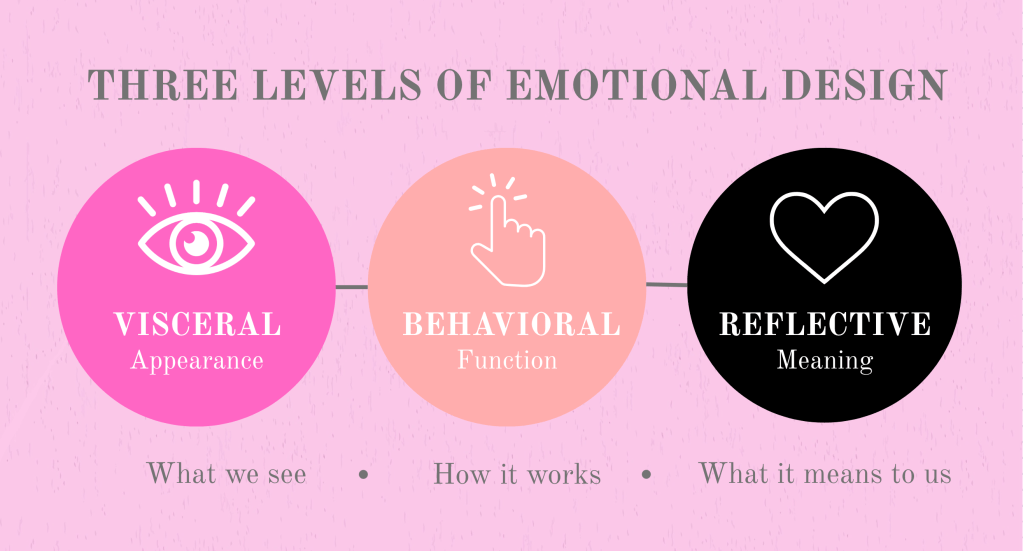
Don Norman’s three levels of emotional design help explain how this journey works. The visceral level is the customer’s immediate reaction to appearance. Color, shape, photography, and typography can make a product look luxurious, playful, comforting, or exciting. The behavioral level concerns how well the design functions. The webiste must be easy to navigate, and the packaging must be understandable and usable. The reflective level involves the personal meaning attached to a product, including identity, memories, status, and values. (Don Norman’s TED Talk)
Aarron Walter presents a similar hierarchy in Designing for Emotion. A design must first be functional, reliable, and usable before it can become pleasurable. An attractive beauty website cannot create a positive experience if customers cannot find a shade or complete their purchase. Once those basic needs are met, personality and emotion can make the interaction feel more human and memorable. (Aarron Walter, Designing for Emotion)
Emotional design is not only about making something look attractive. It shapes how the audience moves through and remembers the entire experience.
Entering Kylie’s World
Kylie Cosmentics originally built much of its identity through online releases and Kylie Jenner’s social media presence. Its campaigns made product launches feel like events instead of ordinary additions to a beauty catalog. Product photography, recognizable packaging, limited collections, makeup tutorials, and Kylie’s image create consistent visual story around the brand.
The first Kylie Cosmetics pop-up shop transformed that digital identity into a physical experience. According to Shopify, Kylie wanted the space to give fans a look inside her world. The shop included a recreation of her bedroom and a selfie station, allowing her customers to interact with the enviornment and create their own photgraphs. (Shopify)
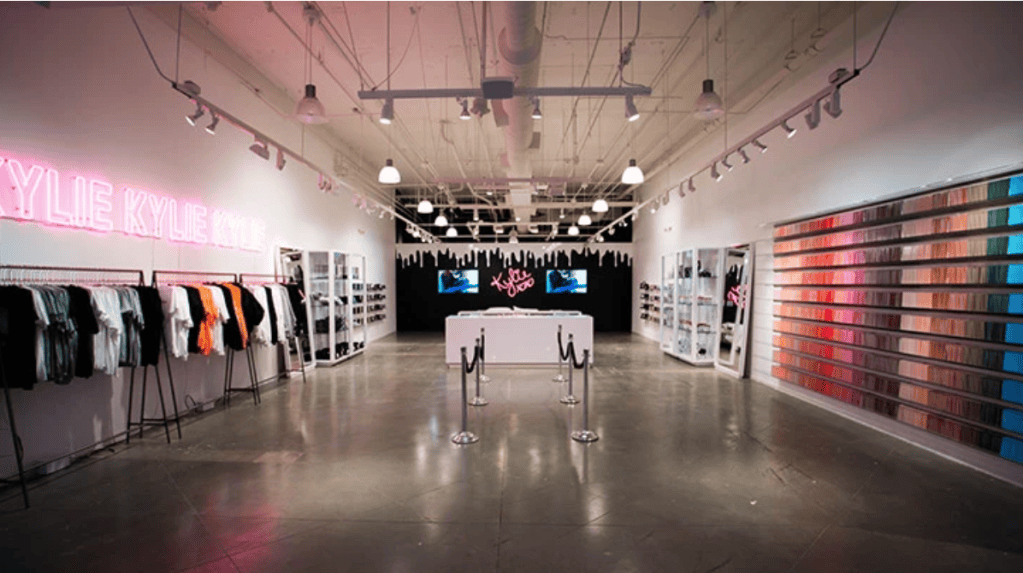
This pop-up includeed several of the experience types identifiede by Pine and Gilmore. Looking at the displays and taking photographs creates aesthetic and entertaining experiences. Testing products and exploring the environment allowede customers to participate instead of only observing. The bedroom recreation also made the space feel more personal by connecting the products to Kylie’s identity.
The store added value without changing the makeup itself. Customers received a physical setting in which beauty, celebrity, photography, and social interaction could come together. When vistitors posted their pictures online, the experience continued beyond pop-up. Customers became part of the brand’s visual storytelling and helped share the experience with a larger audience.
Creating Emotion Through Packaging
Packaging is another important part of the Kylie Cosmetics experience because it may be the customer’s first physical interaction with the brand. The logo, colors, product names, materials, and photographs must make a small cosmetic item feel connected to the larger Kylie identity.
In 2021, Coty announced a Kylie Cosmetics relaunch that included updates formulas, refreshed packaging, and a new direct-to-consumer website. The company also brought Kylie Cosmetics and Kylie Skin together in one place for the first time. (Coty)
This change shows how a brand redesign an experience when its identity or its audience’s expectations change. The updated packaging needed to remain recognizable to existing customers while communicating the brand’s new direction. The product itself was important, but the website and packaging helped make the change visible.
Color also plays a role in this recognition. Kylie Cosmetics regularly uses pink, nude, black, and white to create a feminine and polished appearance. However, color meanings are not universal. They can change depending on the audience, culture, context, and other visual elements. Designers should decide which emotion they want to communicate and then research or test whether their audience responds in that way.
Typography functions as the brand’s visual voice. Clean type can make product information feel modern and readable, while more expressive lettering can give a collection personality. These elements must remain consistent enough for customers to recognize the brand across packaging, websites, advertisements, retail dispalys, and social media.
From Anticipation to Participate
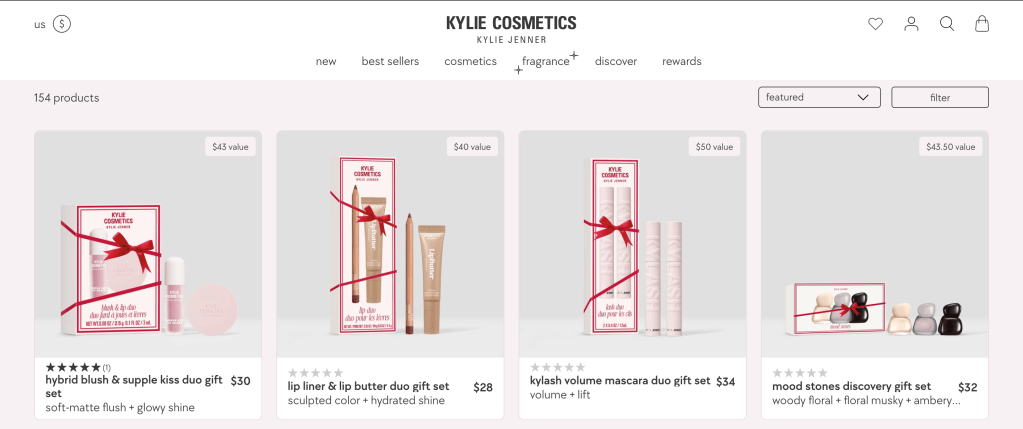
The emotional journey surronding a Kylie Cosmetics launch can begin before the product is available. A teaser photograph or video creates anticipation. The official reveal provides information while increasing excitement. Tutorials show customers how the product can be used, while the website or retail display allows them to explore shades and make a decision. Receiving and opening the package completes the purchase, but sharing the finished look can continue the story.
Plutchik’s Wheel of Emotions can help designers describe this experience more precisely. Instead of simply saying that customers should feel happy, a designer could aim to create anticipation before a launch, surprise during the reveal, trust while viewing product information, and joy after receiving the order. (Interaction Design Foundation)
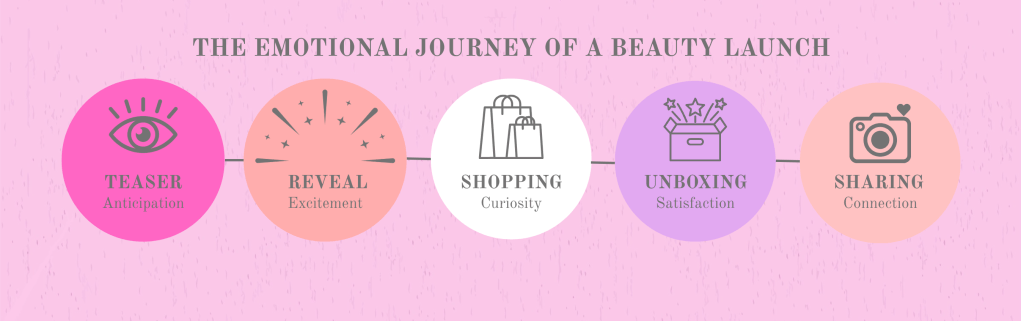
Mapping this journey helps designers identify where the experience could become frustrating. A launch might create excitement, but an unclear website, missing shade information, or difficult checkout process could quickly replace that excitement with confusion. Good visual storytelling must guide the audience through the practical parts of the experience as carefully as it builds anticipation.
When Emotion Becomes Value
The emotion intended by a designer is not always the emotion experienced by a user. Donald Norman and Andrew Ortony explain that designers and users may interpret the same design differently. A minimal package might feel sophisticated to one customer but plain to another. Celebrity-focused marketing might feel personal and exciting to a fan but less relatable to someone unfamiliar with Kylie Jenner. (Norman and Ortony)
This is why designers need audience research, personas, observation, and testing. Emotional design should be based on an understanding of the intended audience rather than assumptions about what everyone will feel.
Brands must also avoid using emotional design to hide a poor product or frustrating experience. Beautiful packaging may create a song visceral response, but that feeling will disappear if the package is difficult to use or the product does not perform as expected. Emotional value lasts longer when appearance, function, and personal meaning support one another.
Since I am interested in working in social media and content creation, I can see how this applies to every customer touchpoint. A teaser can begin the story, social media can build anticipation, a website can guide the audience toward a purchase, packaging can make the story physical, and user-generated content can extend it. When these pieces share consistent colors, typogrpahy, photography, and tone, they feel like oone connected experience.
When the Customer Carries With Them
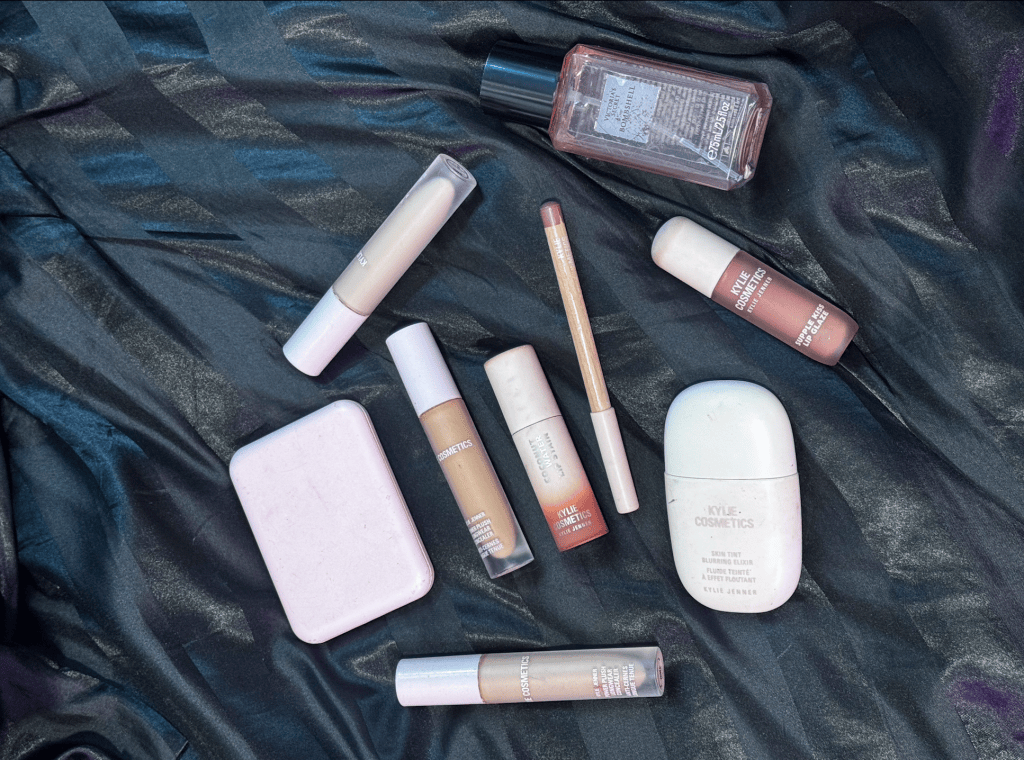
By the end of the journey, a customer may leave with a Lip Kit, but the brand gives them something less visible too: a feeling. They may remember the anticipation of a product reveal, the excitement of entering a pop-up shop, the appearance of the package, or the confidence they felt after creating a new look.
That memory is where design adds value in the experience economy. The product remains important, but it becomes part of a larger emotional story. Kylie Cosmetics demonstrates how visual design can turn a cosmetic product into an experience involving identity, celebrity, participation, and self-expression.
A successful experience does more than convince someone to purchase a product. It makes the customer feel involved in the story. When that happens, design turns an ordinary transaction into an experience that continues after the package has been opened.
Sources
- Lupton, Ellen. Design Is Storytelling. Cooper Hewitt, Smithsonian Design Museum, 2017
- .Pine, B. Joseph II, and James H. Gilmore, “Welcome to the Experience Economy”
- Don Norman, “3 Ways Good Design Makes You Happy”
- Aarron Walter, Designing for Emotion lecture
- Interaction Design Foundation, “Plutchik’s Wheel of Emotions”Donald Norman and Andrew Ortony, “Designers and Users: Two Perspectives on Emotions and Design”
- Kylie Cosmetics Official Website
- Shopify, “Kylie Cosmetics on Shopify: The Pop-Up Story”
- Coty, “Coty Announces the Relaunch of Kylie Cosmetics”
 The Dark Edit
Leave a comment