January 29, 2026
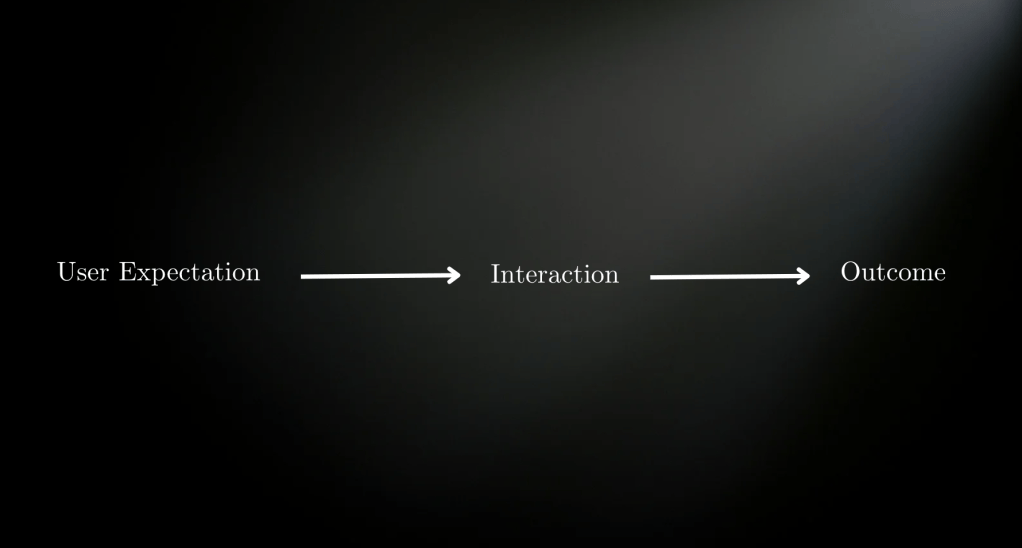
Every time we use a website or app, we don’t start fresh. Our past experiences shape our expectations about where buttons are located, how navigation works, and what happens when we click or tap. These expectations are called mental models, and they play a big role in whether a digital experience feels smooth or frustrating.
What I find fascinating about mental models is the gap they reveal between designers and users. Designers understand how a system works internally, while users mainly care about whether it behaves as they expect. User-centered design depends on recognizing this gap and prioritizing the user’s perspective over the system’s logic. Understanding mental models is essential in user-centered design because they greatly affect usability, learnability, and overall user satisfaction.
What Mental Models Really Mean in Practice
Mental models act as shortcuts that help users understand how certain systems work. These shortcuts come from past experiences with similar products. For example, users often expect a hamburger menu to show navigation options, a magnifying glass to represent a search function, or a heart icon to mean saving content. When these expectations are met, users can move forward without stopping to think; they can navigate through the experience easily.
Issues arise when products fail to meet expectations for reasons that are unclear. Designers may believe that users are open to spending time learning a new interaction. However, in reality, most users prefer familiar experiences. When mental models are ignored, users may become confused or frustrated, even if the interface appears appealing or is technically well-designed.
When Mental Models Are Ignored: A Familiar Example
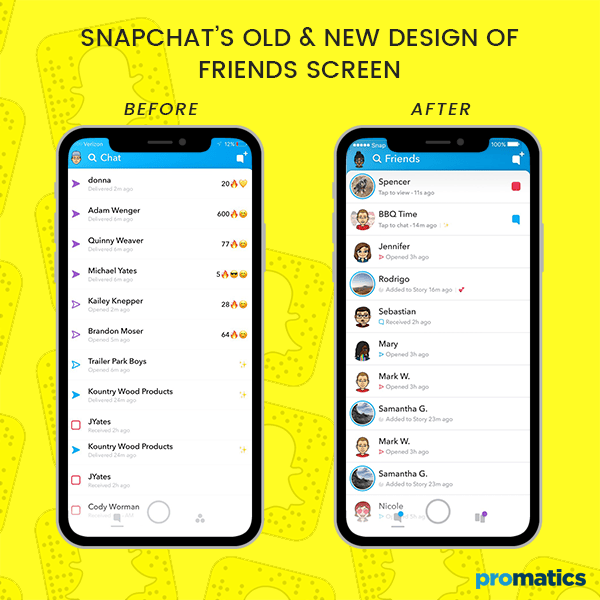
A clear example of conflicting mental models and design choices is Snapchat’s major redesign in 2018. Long-time users found it hard to find features that had previously been easy to access. While the redesign may have made sense from a business viewpoint, it interrupted the routines users had established. The backlash showed that innovation doesn’t always mean introducing something new. Sometimes, it means respecting what users already understand. Users were not frustrated because the app stopped working; they were frustrated because it no longer functioned in a familiar way. This case highlights how ignoring mental models can quickly damage trust and usability.
How User Research Helps Reveal Mental Models
A key insight from this module is that mental models should not be assumed; they need to be uncovered. This highlights the importance of user research. Techniques like interviews, usability testing, and observation help designers understand how users naturally approach tasks and what their expectations are.
I also found the idea that “the general public” is a myth particularly important. Different users have their own goals, challenges, and experiences with a product, so they also have different mental models. If designers don’t do enough research, they risk creating solutions for imaginary users. User research helps align designers’ assumptions about user behavior with actual user actions.
Where Teams Often Get It Wrong
Even when designers understand mental models, they often do not receive priority. Business goals, deadlines, and stakeholder preferences can lead teams to prioritize speed, appearance, or new features over usability. This is often where user experience starts to suffer.
Ignoring mental models may not cause immediate problems, but it often leads to long-term issues such as increased support requests, user drop-off, or the need for redesigns. This shows how important it is to get stakeholder support. When teams recognize how mental models affect usability, they are more likely to support design choices based on real user behavior instead of assumptions.
Why Mental Models Are Central to User-Centered Design
Mental models underscore a key principle in user-centered design: products should adapt to user needs rather than expecting users to adapt. When experiences align with users’ prior knowledge, interactions feel smooth and natural. This reduces mental effort and builds trust.
Mental models also support the ongoing design process. As products evolve, regular testing makes sure that updates still meet user expectations. User-centered design is not a one-time effort; it’s an ongoing loop of listening, testing, and improving based on real behavior.
Conclusion: Designing with the User in Mind
Mental models remind us that users never approach products neutrally. They bring habits, beliefs, and expectations shaped by their past experiences. When designers recognize these expectations, the experience feels more natural. However, ignoring even small changes can cause frustration. This idea highlights the importance of empathy in good design. User-centered design is about more than just usability; it involves understanding how people think and creating experiences that fit their current situation. By designing with mental models in mind, we create more intuitive and human-centered digital experiences.


Leave a Reply