January 29, 2026
One common misunderstanding about design is the idea that there is a clear endpoint. When something looks polished, has a successful launch, or receives positive feedback, it is often seen as complete. Iterative design challenges this view. Instead of seeing design as a one-time goal, it views it as an ongoing process that grows through testing, collecting feedback, and making improvements.
What stood out to me about iterative design is how closely it matches real human behavior. Users don’t always interact with products in predictable or perfect ways, and designers don’t always get it right on their first try. Iterative design recognizes this by allowing for learning, adjustment, and growth, which is essential in user-focused design.
What Iterative Design Looks Like in Practice
At its core, iterative design means creating a product, observing how users interact with it, and then improving it based on real feedback. Rather than waiting for a “final” version, designers release early versions, evaluate them, and make changes as they learn more about user needs and behaviors.
This method reduces the chances of creating products based on guesswork. Instead of assuming user preferences, iterative design allows designers to see what really works. Even small changes, like moving button locations, simplifying navigation, or changing instructions, can significantly improve usability when informed by testing.
Iterative design also shifts the focus from achieving perfection to making progress. A design does not have to be perfect to be effective; it just needs to be open to improvements.
An Example of Iterative Design
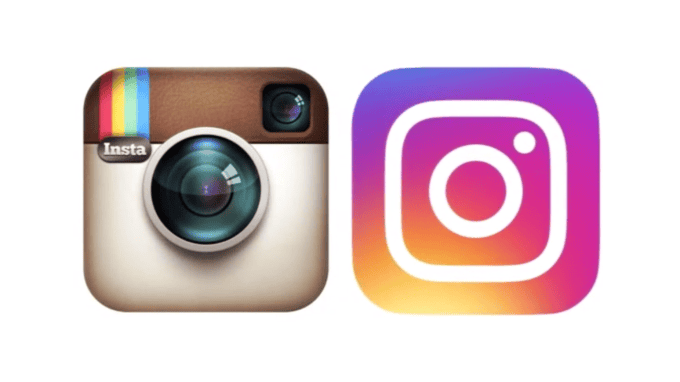
An example of iterative design can be seen in social media platforms like Instagram. Over the years, Instagram has regularly changed its layout, features, and navigation based on how users interact with the app. While some changes may confuse users at first, many updates are refined through revisions that consider user behavior and feedback.
These changes highlight an important point. Iterative design does not aim to avoid mistakes; it focuses on learning from them. Functions that do not perform well are either improved or removed, while effective patterns are strengthened. This method demonstrates a commitment to evolving alongside users, rather than expecting them to adapt instantly to every change.
Another clear example of iterative design is seen in TikTok’s ongoing changes to its interface based on user interactions. Features like the placement of the For You page, editing tools, and creator analytics have evolved over time due to real user engagement with the app. These changes are intentional, coming from regular observation and improvement. Instead of assuming the first version is flawless, TikTok sees the platform as something that can always be better. This shows that iteration is not just about fixing errors; it’s about responding to real usage trends.
Role of User Research in Iterative Design
The importance of user research in iterative design is vital. Without research, iteration becomes simple guesswork. Techniques such as usability testing, interviews, and observation help designers spot user difficulties, figure out what is intuitive, and identify areas that need improvement.
I found it important that research should happen during the design phase, not just at the start. Iterative design relies on regular feedback. This allows designers to test their assumptions and confirm their choices at different stages. It ensures that changes are based on real user behavior rather than personal opinions.
By involving users continuously throughout the process, iterative design keeps the focus on the people using the product.
Where Iterative Design Can Break Down
Although iterative design looks ideal in theory, it can be hard to apply in real life. Factors like tight timelines, business demands, and stakeholder expectations may push teams to rush to a “final” product. When under pressure, iteration can seem wasteful or unnecessary, especially with tight deadlines.
However, skipping iteration often leads to bigger problems later. Designs that don’t undergo thorough testing can cause usability issues, increased support needs, and costly redesigns. To implement iterative design successfully, you need support from stakeholders who understand that gradual improvements over time lead to better results in the long run.
Why Iterative Design Supports User-Centered Design
Iterative design focuses on a key idea, which is putting users first and meeting their needs. It acknowledges that users’ expectations change and that design should evolve with them.
This approach also encourages flexibility. Designers are not limited by early decisions and can adjust their methods based on new insights. Iterative design allows products to grow in a natural way, improving usability, accessibility, and overall satisfaction over time.
Progress Over Perfection
Iterative design shows us that effective design is always changing. It improves through feedback, assessment, and a willingness to change. Instead of aiming for perfect results right away, iterative design focuses on growth and flexibility.
For me, this concept highlights the importance of being open to feedback and recognizing that design is a conversation between users and creators. By using an iterative approach, designers create experiences that feel more thoughtful, intuitive, and human, which is exactly what user-centered design seeks to achieve. Iterative design focuses on users. It highlights the importance of feedback and ongoing improvement rather than seeking perfection.


Leave a Reply