February 8, 2026
Campaign Overview
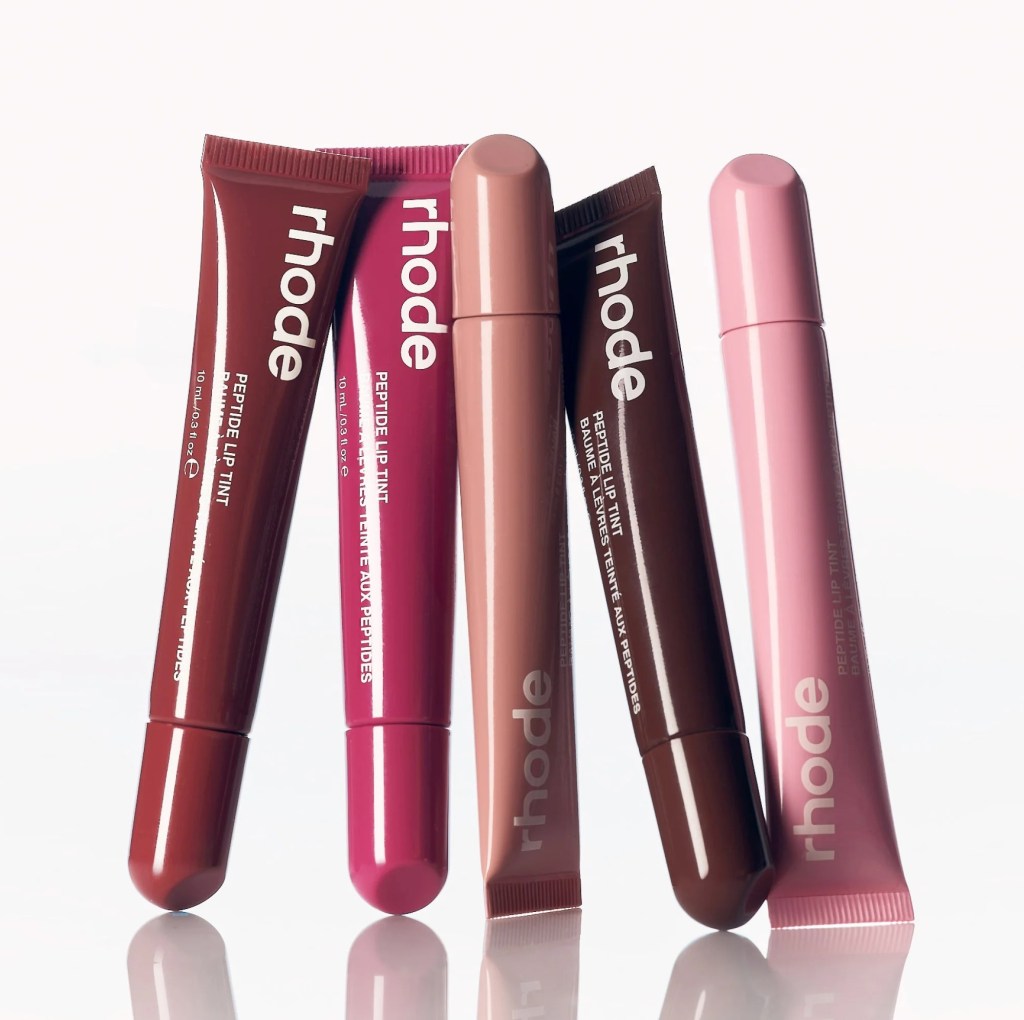
This mock paid social media campaign was created using Facebook Ads Manager to simulate a real advertising strategy for Rhode Skin, a skincare brand known for its simple aesthetic and strong presence on social media. The purpose of this campaign is to show how a business would set up a paid social strategy, define clear goals, identify a target audience, choose placements, and assess success metrics.
This simulation reflects real digital marketing practices used by beauty brands targeting Gen Z and young millennial consumers who engage a lot with Instagram-based skincare content.
Campaign Objective
The main aim of this campaign is conversions. We want to direct users to Rhode Skin’s website and motivate them to buy products. This focus on conversions matches Rhode’s direct-to-consumer model, where online sales and measurable digital results are essential.
To boost website traffic and product visibility, we set a performance goal to maximize landing page views.
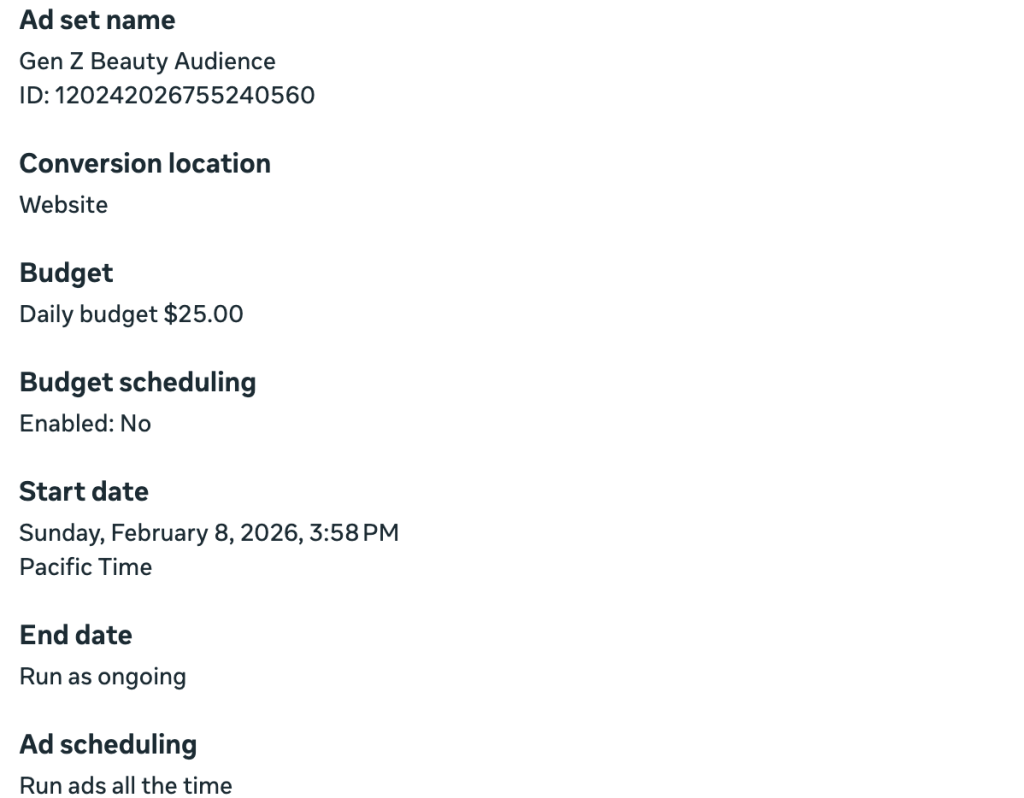

This goal helps increase short-term sales and improve long-term brand visibility. It directs interested users straight to Rhode’s digital storefront.
Target Audience Strategy
The campaign focuses on young beauty consumers who follow skincare trends and brands promoted by influencers.
Demographics
- Location: United States
- Age: 18–30
- Gender: Women
Interests
- Skincare
- Social Media
- Rhode Skin
- Beauty
Behaviors
- Engaged online shoppers
- Frequent social media users
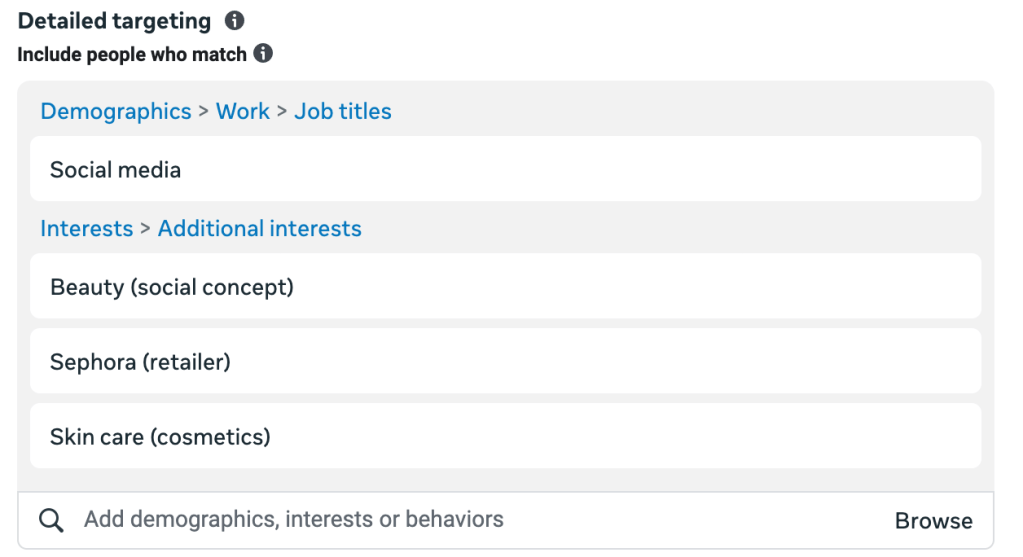
This audience represents Rhode’s main customers: digitally engaged women who care about aesthetic branding, skincare education, and influencer culture. By focusing on this specific group, advertising dollars will reach those consumers who are most likely to make a purchase.
Ad Placement
Manual placements were chosen to focus on the platforms where Rhode’s audience is most active.
Selected placements include:
- Instagram Feed
- Instagram Stories
- Instagram Reels
- Facebook Feeds
- Facebook Stories

Instagram placements are important because beauty content does best on visual-first platforms. Reels and Stories let the brand fit naturally into daily scrolling. This boosts ad engagement and helps people remember the brand.
Budget Strategy
A simulated daily budget of $25 was set for a small-scale test campaign. This budget represents how brands usually test ad creatives before expanding.
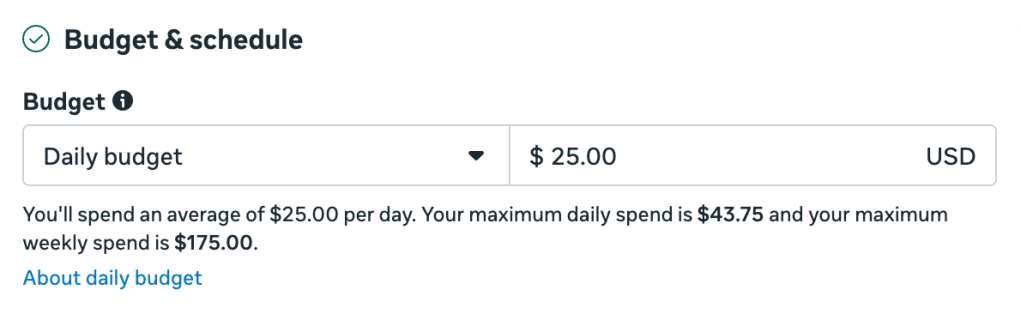
The test budget includes:
- Tracking performance
- Optimizing the audience
- Evaluating cost-per-click
- Testing creative content
This setup supports safe paid media experiments.
Ad Creative and Messaging
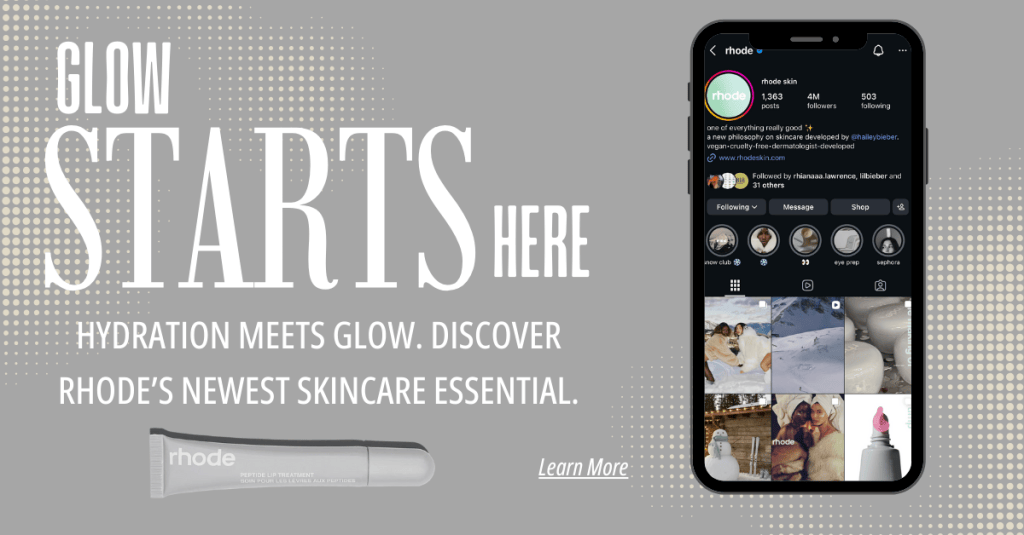
The message is simple, inspiring, and centered on the product. It reflects Rhode’s clean look while highlighting hydration and glow, which are two important skincare factors for Gen Z consumers.
Success Metrics
Campaign success would be measured using common paid media metrics.
Cost Per Click (CPC)
Measures traffic efficiency.
Target benchmark: $0.50, $1.20
Click-Through Rate (CTR)
Measures engagement and ad relevance.
Target benchmark:1.5% – 3%
Cost Per Thousand Impressions (CPM)
Measures awareness efficiency.
Target benchmark: $8 – $15
Conversion Rate
Measures how many clicks result in purchases.
Target benchmark: 2% – 5%
Return on Ad Spend (ROAS)
Measures revenue relative to ad spend.
Target benchmark: 3:1 or higher
These metrics provide a balanced view of engagement, awareness, and financial performance.
Expected Outcomes
If successful, this campaign would:
- Increase Rhode’s website traffic.
- Drive measurable product purchases.
- Strengthen brand visibility.
- Build audience data for future retargeting.
- Improve ad optimization through performance insights.
- This shows how modern beauty brands mix creative storytelling with data-driven marketing.
Conclusion
This mock campaign shows the complete structure of a paid social media strategy using Facebook Ads Manager. It covers everything from choosing objectives to targeting audiences and measuring performance. The campaign illustrates effective digital advertising practices.
By matching creative messaging with data-driven metrics, the Rhode Skin simulation demonstrates how brands use paid social platforms to boost both conversions and brand growth in a competitive digital space.


Leave a Reply