https://www.facebook.com/ads/library/?id=2309032482940118
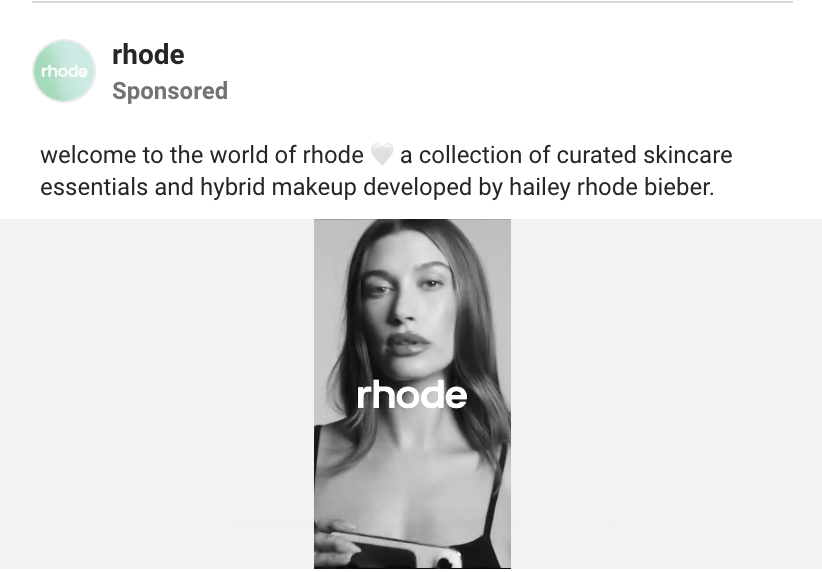
Rhode Skin’s paid social advertising focuses on beauty campaigns that drive conversions. The ad highlights Rhode’s Peptide Lip Treatment and aims to encourage viewers to go from knowing about the product to buying it. The main goal of the campaign is to drive conversions. The ad stresses product benefits, immediate availability, and a clear call to action for purchase.
Campaign Objective and Creative Effectiveness
https://www.facebook.com/ads/library/?id=813148531123847
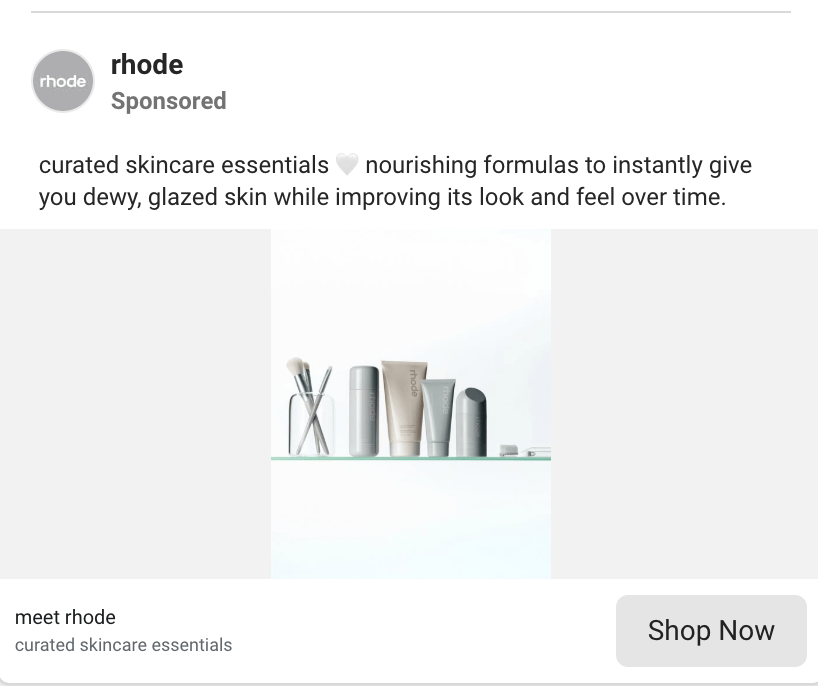
The creative strategy matches Rhode’s brand identity. It features a clean look, neutral colors, and close-up product images that convey a premium skincare feel. The copy is clear and focused on benefits, emphasizing hydration and everyday use rather than aggressive sales language. This approach aligns with beauty industry trends that value authenticity and lifestyle integration over direct selling.
The ad format is well-suited to short, vertical viewing, which aligns with how people use TikTok and Instagram Reels. The Call-To-Action (CTA) prompts immediate purchase, indicating that the campaign focuses more on driving sales than raising awareness.
Target Audience Assumptions
Rhode’s audience is likely young adults aged 18 to 34 who are interested in beauty and follow skincare influencers and minimalist brands. The ad assumes that viewers know about Rhode’s founder and trust the brand. This suggests that targeting focuses on lookalike audiences and retargeting groups, which indicates a strategy aimed at engaging warm audiences rather than broad prospecting.
Industry data from WordStream indicates that average beauty-industry Facebook ads achieve click-through rates of approximately 1.2%- 1.6% and cost per click between $0.70 and $1.20. Given Rhode’s strong brand recognition and visually appealing ads, it is reasonable to expect that its ads perform at or above these benchmark levels.
Optimization Recommendations
https://www.facebook.com/ads/library/?id=902891682097160
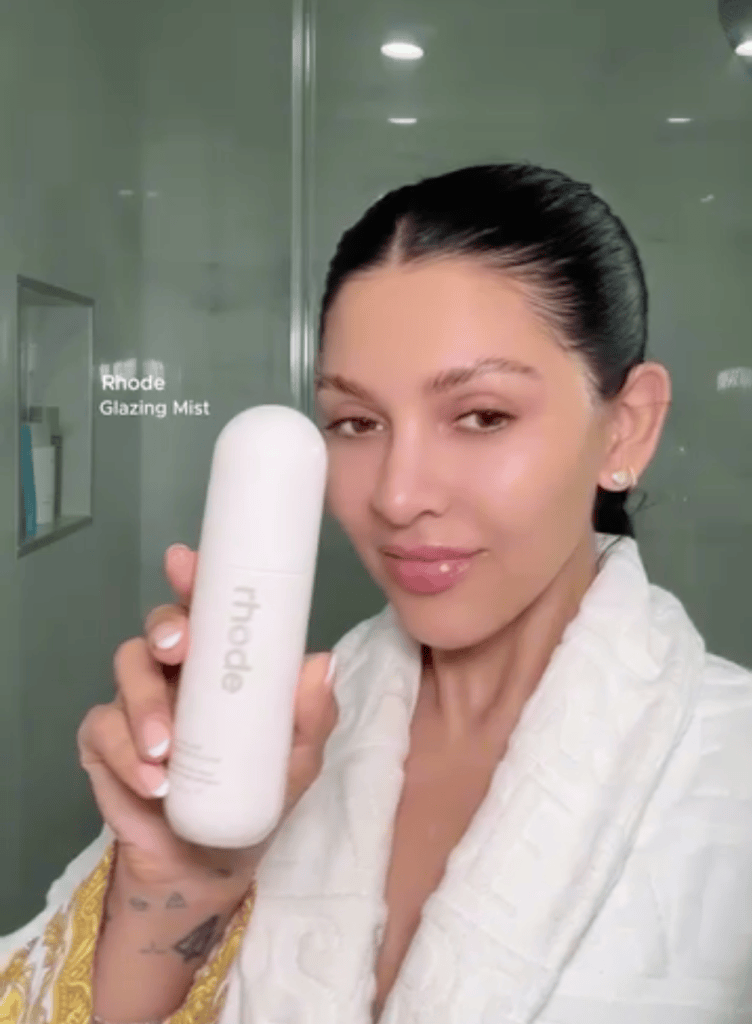
First, Rhode could use A/B testing with variations that feature user-generated content. Beauty audiences often trust peer demonstrations more than studio shots. A split test that compares influencer-style tutorials with polished product shots could increase engagement and CTR.
Second, Rhode could try dynamic retargeting ads that display recently viewed products. This reinforces purchase intent and can lower CPA by reminding interested users to complete the purchase.
Finally, testing a soft educational CTA, such as “See why it sells out,” could boost curiosity-driven clicks while maintaining a premium brand tone.
Conclusion
Rhode’s ad is clearly focused on getting conversions and performs well compared to other beauty ads. However, small improvements through A/B testing, better targeting, and creative changes could further increase efficiency. Success in paid social rarely comes from big changes; it relies on careful optimization based on audience behavior and performance data.


Leave a Reply