October 26, 2025
The Attention Span Crisis
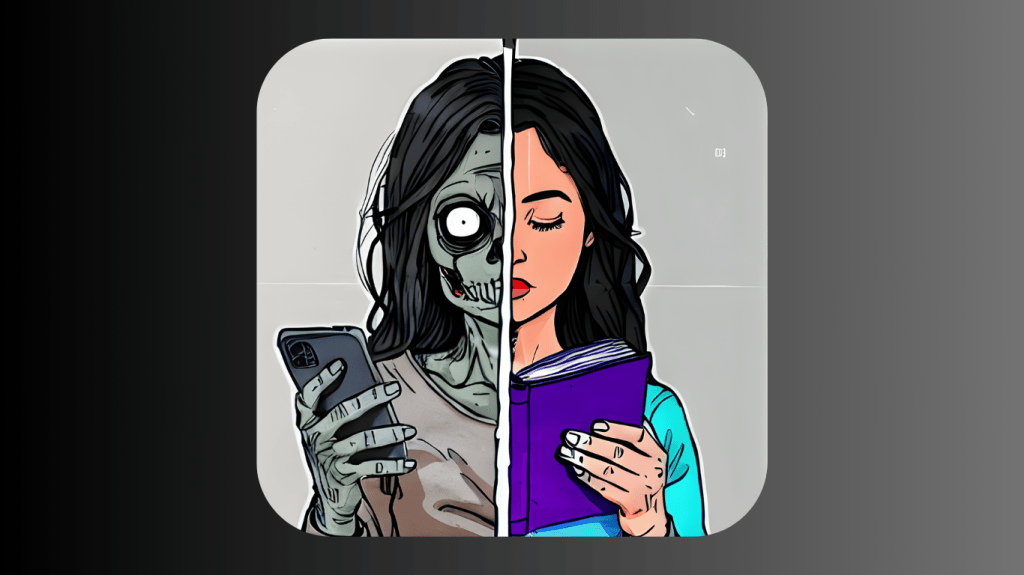
I have noticed that my concentration is deteriorating. I can spend hours organizing Pinterest boards or scrolling on TikTok, but when I try to read a lengthy piece, my concentration wanders halfway through. It is as if my brain is wired for perpetual refresh mode, needing the next swipe, click, and notification.
Nicholas Carr’s “Is Google Making Us Stupid?” made me understand that this is not just my problem. Carr shows how the internet has physically changed the way we think and read. He claims that humans have become “mere decoders of information,” rather than deep readers. That seems terribly accurate. I used to like getting lost in books, but recently, I get lost in tabs. Even when I am reading something artistic or cultural, for example, like a blog post about Brat Summer or a new product that the Kardashians are coming out with, I generally multitask or scan for the highlights.
The Way We Read Online is Changing
Maria Konnikova’s “Being a Better Online Reader” explores recent scientific advancements. She emphasizes that we not only read differently online, but our brains also analyze digital content more quickly, but on a surface level. Scrolling encourages skimming, and hyperlinks continuously distract us from the content. That struck a chord with me because I live entirely online. As part of my creative process, I continuously read captions, articles, and comments. However, Konnikova’s study suggests that digital overload may be educating people to prefer rapid responses over deliberate thoughts. As someone pursuing a profession in social media and branding, it made me wonder, if we are consuming material so quickly, how does it influence how I design and create it?
Writing Clearly in a Busy World
Steven Pinker’s “The Source of Bad Writing” dramatically transformed my perspective on communication. He discusses “the curse of knowledge,” the theory that writers sometimes assume readers already know what they know, resulting in confusing, jargon-filled writing. That is something I did without recognizing it. When I write pieces for Rinaldi Electric or The Juice House, I occasionally forget that not everyone knows the context of a campaign or caption. Pinker’s approach is simple yet effective, which is get out of your own brain. Ask for comments and read your essay aloud. It is not about sounding smart, but about being understood.
Learning How to Read and Create Again
These texts challenged my entire relationship with the internet. The internet world allows me to express myself, such as through Pinterest boards, posting on social media, and pop-culture narratives, but it also causes me to lose focus. Now I am attempting to slow down. To read more deeply. To apply the same effort I devote to producing a collage or dissecting a campaign to how I read and write. Because originality and clarity require equal attention, whether it is a TikTok caption, a blog post, or a story that stirs up emotion.


Leave a Reply