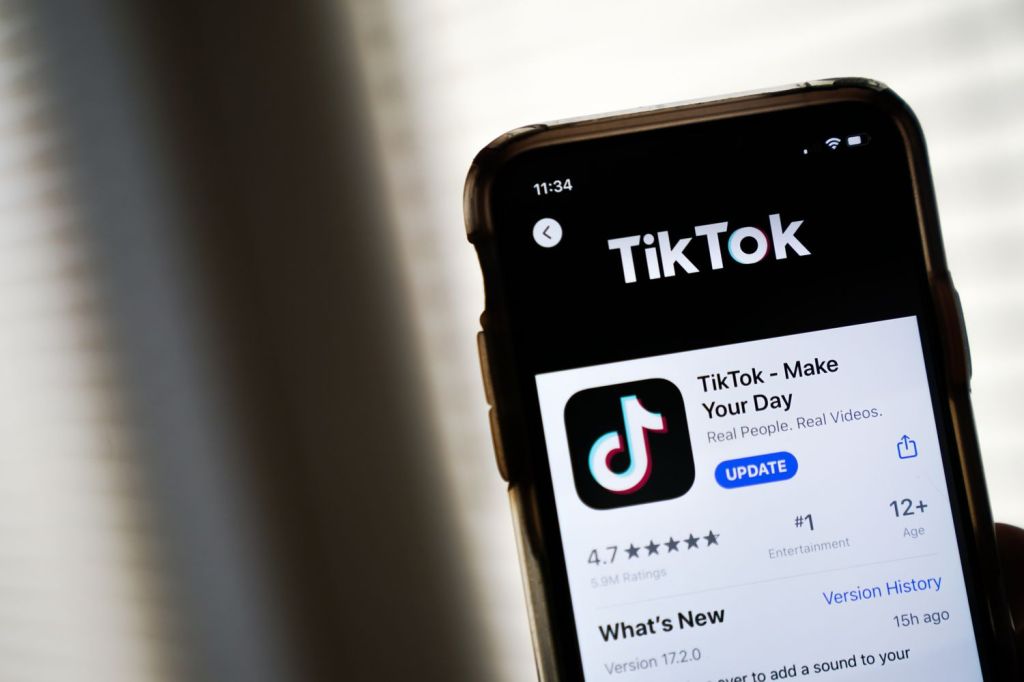
How TikTok Collects and Uses User Data
TikTok has become one of the most powerful social media platforms for both content discovery and advertising. With millions of users scrolling through the app daily, the platform collects large amounts of user data to personalize content and improve ad targeting. While this data-driven system helps brands reach the right audiences, it also raises important questions about privacy and ethics in digital marketing.
According to TikTok’s privacy policy, the platform collects several types of information. This includes basic account details such as usernames, email addresses, and phone numbers. TikTok also gathers behavioral data, including the videos users watch, how long they watch them, what they like or share, and the searches they make. In addition, the platform collects device-related information such as IP addresses, device type, and approximate location data. This information helps TikTok personalize the “For You” page and allows advertisers to target audiences based on interests and behavior (TikTok Privacy Policy).

Privacy Concerns and Controversies
Although TikTok’s personalized content and advertising model has helped the platform grow quickly, it has also raised privacy concerns. In 2019, the U.S. Federal Trade Commission fined TikTok $5.7 million for illegally collecting personal data from children under the age of 13 without parental consent. This case highlighted the risks of collecting data from younger users on social media platforms (FTC).
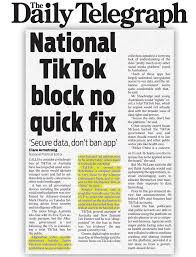
More recently, TikTok has faced scrutiny from governments around the world regarding how user data is stored and accessed. Because TikTok is owned by the Chinese company ByteDance, some policymakers have expressed concerns about whether user data could potentially be accessed by foreign governments. Although TikTok states that it protects user data and has introduced new security measures, these concerns continue to spark debate about data privacy and platform accountability.
Transparency and Consumer Protections
Privacy laws such as the General Data Protection Regulation (GDPR) in Europe and the California Consumer Privacy Act (CCPA) in the United States aim to give users more control over how their personal data is used online. These regulations require companies to be transparent about their data collection practices and allow useers to request access to or deletion of their personal information.
TikTok states that users can download their data, control ad personalization settings, and adjust privacy options in their account settings. However, many privacy experts argue that these tools can still be difficult for average users to navigate.
This connects to ideas discussed in Faris Yakob’s Paid Attention, which explains that the platform itself shapes how advertising messages are delivered and perceived. Because platforms control the data used to target ads, they also hold significant responsibility for ensuring those practices remain ethical and transparent. In addition, Sharon Lee Thony’s The Marketing Campaign Playbook emphasizes that brands must adapt to evolving regulations and consumer expectations when using digital data for marketing.
How TikTok Could Improve Privcacy Practices
While TikTok has made efforts to address privacy concerns, there are several ways the platform could improve transparency and ethical advertising practices. One improvement would be simplifying privacy settings so users can more easily understand how their data is collected and used. Clearer explanations of how the advertising algorithm works could also increase transparency for users and advertisers.
Another improvement would be publishing more detailed transparency reports that explain how data is stored and protected. Independent audits could further strengthen user trust. As social media continues to play a major role in marketing, platfomrs like TikTok must balance the benefits of personalized advertising with stronger privacy protections.
Overall, TikTok demonstrates both the opportunities and challenges of data-driven marketing. Personalized content and advertising can create more relevant experiences for users, but maintaining trust requires ongoing improvements in transparency, privacy protections, and ethical data use.
Sources
TikTok Privacy Policy https://www.tiktok.com/legal/privacy-policy
Federal Trade Commission (2019). TikTok fined $5.7 million for children’s privacy violations.
https://www.ftc.gov/news-events/news/press-releases/2019/02/video-social-networking-app-musically-agrees-settle-ftc-allegations-it-violated-childrens-privacy
Sprout Social – GDPR and Social Media: What Marketers Need to Know
https://sproutsocial.com/insights/gdpr-and-social-media/


Leave a Reply