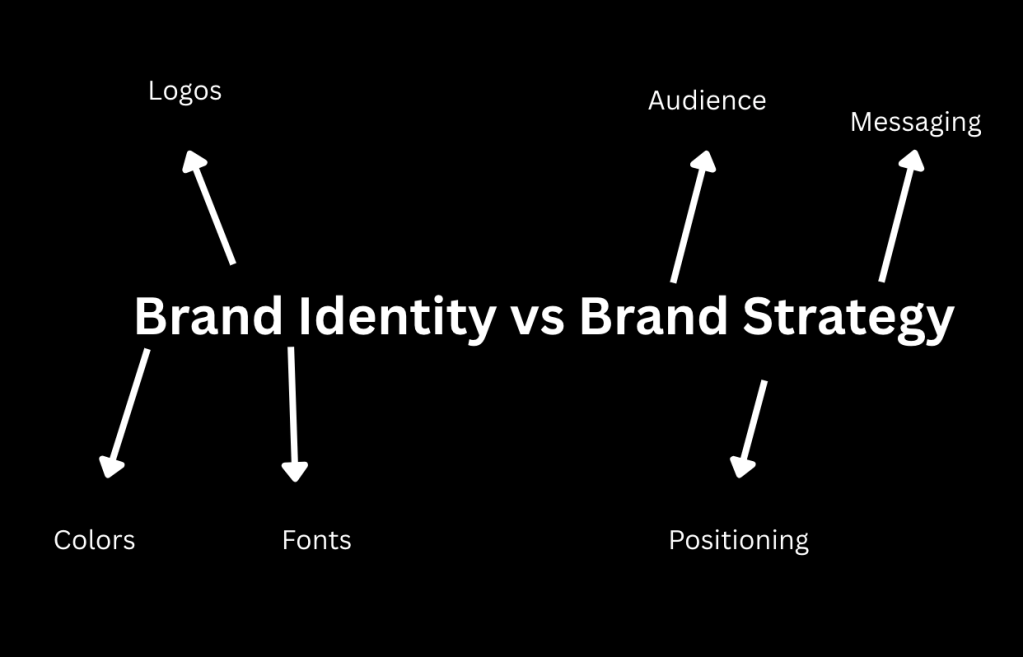
When people think about branding, they usually think about logos, colors, and aesthetics. Before this module, I did too. But after diving deeper into brand identity and brand strategy, I realized that strong branding is not just about how something looks; it’s about how it works, how it communicates, and how it builds trust.
This week completely shifted how I think about design, especially as someone interested in social media, marketing, and content creation.
Brand Strategy Comes First
One of the most important takeaways for me is that brand strategy always comes before brand identity.
Brand strategy is the foundation. It answers questions like:
- Who is this brand for?
- What does the audience care about?
- What makes this brand different?
- How should people feel when they interact with it?
Without answering these questions first, design decisions become random. A logo might look good, but it won’t mean anything.
When I was working on my Rinaldi Electric brand proposal, this became very clear. I couldn’t just jump into designing a logo. I had to first understand:
- The audience (homeowners, business owners, EV customers)
- What they value (trust, safety, professionalism)
- How they choose an electrician
This made every design decision feel intentional instead of aesthetic.
Brand Identity is How Strategy Shows Up Visually
Once the strategy is clear, brand identity becomes the visual expression of it.
This includes:
- Logo
- Color palette
- Typography
- Photography
- Tone of voice
What I found really interesting is how small visual choices can communicate big ideas.
For example:
- Navy blue can signal trust and reliability
- Yellow accents can represent safety and energy
- Clean typography can make a brand feel more professional
These aren’t random choices; they are directly connected to how a brand wants to be perceived.
In my project, I focused on creating a visual identity that felt:
- Clean
- Modern
- Trustworthy
- Professional
Because that’s exactly what customers are looking for when hiring an electrician.
Trust is the Most Important Factor in Service Brands
Another idea that stood out to me is how much trust influences design, especially for service-based businesses.
Hiring an electrician isn’t a casual decision. People are letting someone into their home or business, which makes branding even more important. If a website looks outdated or unprofessional, it can immediately create doubt.
From my research and informal interviews, one thing kept coming up:
People trust brands that look polished and organized.
This made me realize that design is not just about creativity, it’s about reducing uncertainty.
Good branding answers unspoken questions like:
- “Can I trust this company?”
- “Do they know what they’re doing?”
- “Will they do a good job?”
What This Means for Me as a Future Marketer
This module helped me see myself not just as someone who creates content, but as someone who builds brand experiences.
Going forward, I want to:
- Be more intentional with design choices
- Think about audience perception before aesthetics
- Connect visuals back to strategy
- Create content that builds trust, not just engagement
Whether I’m working on social media, a campaign, or a full brand, I now understand that everything should connect back to a bigger strategy.
Final Thought
Brand identity is what people see.
Brand strategy is what makes them believe.
The strongest brands don’t just look good, they feel consistent, intentional, and trustworthy. And that starts long before the logo is ever designed.


Leave a Reply